
When it comes to lip enhancement, there is no one-size-fits-all approach. While both lip flips and lip fillers can enhance the appearance of the lips, they work in very different ways. The best choice is often determined by your unique anatomy, not just aesthetic preference.
One of our skilled nurse injectors evaluates how your lips are shaped, how they move, and how they have changed over time before recommending a treatment. Here is how anatomy guides that decision.
Lip Flip vs Lip Filler: What’s the Difference?
Lip Flip
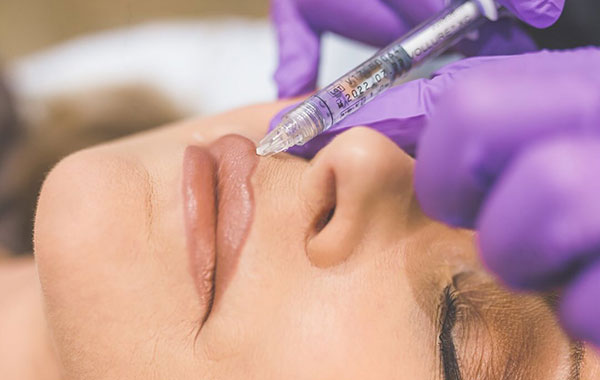
A lip flip uses a small amount of neuromodulator, such as Botox, placed into the muscle around the upper lip. By relaxing this muscle, the lip gently rolls outward, creating the appearance of a fuller upper lip without adding volume.
Lip Filler
Lip filler uses hyaluronic acid to add structure, volume, and shape directly to the lips. This allows for more customization, enhancing fullness, symmetry, hydration, and definition.
Why Anatomy Matters
- Upper Lip Length
- Muscle Movement and Smile Dynamics
- Lip Tissue and Shape
- Aging and Natural Changes
Upper Lip Length
One of the most important anatomical considerations is the length of the upper lip, or the space between the nose and the lip.
Longer upper lips often roll inward, especially when smiling. In these cases, a lip flip can help reveal more of the natural lip.
Shorter upper lips typically already evert well, making filler a better option for adding balance and volume.
Muscle Movement and Smile Dynamics
The strength of the muscle around the mouth plays a significant role in how the lip behaves.
A strong muscle may cause the upper lip to disappear when smiling or create excessive tooth or gum visibility, which is often improved with a lip flip.
If the lip position remains stable during movement, filler may be recommended to enhance structure rather than alter muscle activity.
Lip Tissue and Shape
Not all lips are built the same.
If the lip border appears rolled inward or lacks visibility, a lip flip can subtly enhance definition.
If the lips themselves are thin or lack body, filler is necessary to create fullness and support.
Aging and Natural Changes
Over time, the upper lip tends to lengthen, roll inward, and lose volume. In many cases, addressing muscle-related changes first with a lip flip allows for more natural and conservative use of filler if needed.
Can You Do Both?
Yes. For some patients, combining a lip flip with a small amount of filler creates the most balanced and natural-looking result. The key is thoughtful sequencing and restraint, always guided by anatomy.
The Takeaway
Choosing between a lip flip and lip filler is not about trends. It is about understanding how your lips move, rest, and age. An anatomy-led approach ensures results that look effortless, refined, and uniquely yours.
A thorough consultation is where the best outcomes begin.
Frequently Asked Questions
A lip flip typically lasts 2 to 3 months. Because it relaxes the muscle around the upper lip, results fade gradually as muscle movement returns.
Lip filler generally lasts 6 to 12 months, depending on the type of filler used, metabolism, and lip movement.
No. A lip flip does not add volume. It enhances the appearance of the upper lip by allowing it to gently roll outward, creating subtle definition without added fullness.
Yes. When placed conservatively and guided by anatomy, lip filler can enhance shape, balance, and hydration while maintaining natural movement and proportion.
Aging often causes the upper lip to lengthen, roll inward, and lose definition. In some cases, addressing muscle movement with a lip flip first allows for more natural, conservative use of filler if needed.
Yes. For some patients, combining both treatments creates the most balanced result. The key is thoughtful sequencing and restraint, guided by anatomy rather than trends.